Criminal Minds- Hidden Episode with direct facts from all sources.
Case File: The Charlie Kirk Assassination – BAU Analysis
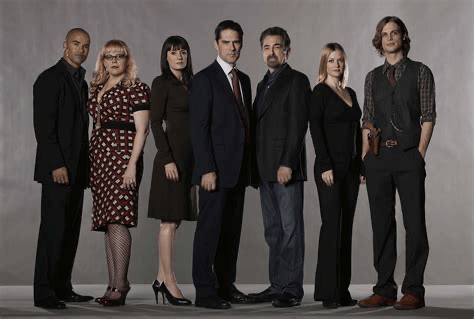
BAU Briefing – Quantico, BAU Headquarters
Note: this is a fictional episode to help aid the investigation of Charlie Kirk’s assanition on 9:10:2025
Hotch: (Standing at the head of the roundtable) Team, we have an emergency case. Conservative activist Charlie Kirk, 31, was shot and killed earlier today while speaking at Utah Valley University in Orem, Utah . This happened in broad daylight, around 12:20 p.m. local time, during an outdoor campus event with a crowd of students. Kirk was on stage under a tent for his “Prove Me Wrong” open debate tour when a single gunshot rang out and struck him in the neck. He was rushed to the hospital by his security team but succumbed to his injury shortly after arrival . The President has confirmed Kirk’s death publicly, and flags are ordered at half-staff . This is already being called an assassination by officials . We need to assist in profiling the shooter – who at this moment remains at large.
Garcia: (Clicks through news feeds on her laptop) I’ve pulled up the initial incident reports. “Today at about 12:10 a shot was fired at the visiting speaker, Charlie Kirk. He was hit and taken from the location by his security,” according to the university’s alert on social media . Eyewitness videos show the moment it happened – Kirk was mid-sentence when a crack echoes and he recoils, blood visible on his neck. Chaos erupted immediately after; students ducked for cover and then stampeded in panic. Campus police and local officers initiated a lockdown and started evacuating buildings within minutes . The entire UVU campus is now closed and classes canceled until further notice .
JJ: (Nodding solemnly) Public events like this are supposed to be about open debate, and instead it turned into a crime scene. There were reportedly around 3,000 people at the event – a huge crowd – and understandably they’re terrified. We’re getting statements from shaken witnesses all over the media. This shooting has already drawn national outrage from across the political spectrum, with leaders on both sides condemning the violence. Our job is to help piece together exactly what happened and why, and to profile the perpetrator before he strikes again.
Prentiss: Let’s start with what we know. (She gestures to a timeline on the screen.)
Timeline of the Shooting and Immediate Aftermath
• 12:00 p.m. (approx.) – Charlie Kirk begins his event at Utah Valley University’s outdoor courtyard, part of his “American Comeback Tour” . He’s hosting a “Prove Me Wrong” debate session, taking questions from the crowd of mostly students . Security on site includes six UVU police officers and Kirk’s own private security detail. Despite Kirk’s controversial profile, no specific threats had been flagged prior to the event, and attendees were not screened by metal detectors or bag checks at entry .
• 12:19 p.m. – Kirk is answering an audience question “regarding mass shootings,” according to a reporter on scene . The exchange is pointed – a student had asked him about the number of mass shooters who were transgender and about the total number of mass shootings in recent years. Kirk begins to respond, emphasizing statistics, when the attack occurs .
• 12:20 p.m. – A single, sudden gunshot echoes across the quad. It’s described by some in the crowd as a “big bang” or a sound “like a firecracker” . There is instant confusion; a few attendees later say they initially thought it might be a prank or a confetti cannon misfire given the event setting . In the same instant, Charlie Kirk jerks to the side and collapses, bleeding from the right side of his neck . For a heartbeat everyone freezes – then panic. Witnesses report “blood pouring out everywhere” from Kirk’s neck wound and people screaming.
• 12:21 p.m. – Mass panic and evacuation. Students and attendees scream and dive for cover. Video footage shows people scrambling out of their seats and running in all directions. Some hit the ground or hide behind chairs; others begin to stampede from the area. “Everyone immediately took to the ground… then everyone started running,” one eyewitness said . In the chaos, some even tripped and crawled through a decorative fountain to escape. An on-site UVU professor, about 50 feet away, recalls thinking it was a firework until he saw people trying to climb out of the sunken terrace seating. Campus police and Kirk’s security detail rush toward the stage. Kirk’s personal security reacts within seconds – they form a protective barrier and evacuate him into a vehicle.
• 12:25 p.m. – Kirk is rushed to the hospital. His team does not wait for an ambulance – they load the wounded Kirk into a private security SUV and speed to Utah Valley’s Timpanogos Regional Hospital, just a few miles away. Kirk is unconscious and critically injured; no vital signs are confirmed publicly at this time. Back at UVU, police from multiple agencies are converging on the campus. An emergency alert is broadcast on campus: “A single shot was fired on campus toward a visiting speaker… Those on campus, secure in place until officers escort you safely off.” The university announces a campus-wide lockdown and urges everyone to shelter in place.
• 12:30 p.m. – Massive law enforcement response. Within minutes, at least 60 first responder vehicles flood the university area . Officers from Orem, Utah Highway Patrol, and surrounding towns (Provo, Lehi, Lindon, etc.) race to assist . The FBI and ATF also mobilize agents to the scene, treating it as a possible domestic terror/assassination incident. Five nearby K-12 schools are placed on secure protocol as a precaution. SWAT teams begin methodically sweeping campus buildings for the shooter . They suspect a long-distance “sniper” attack, so attention centers on the taller campus buildings near the quad. Heavily armed SWAT officers move building to building – eyewitnesses later see a tactical truck rolling over curbs as SWAT rushes toward the library and the Life Sciences building rooftops .
• 12:34 p.m. – Local media (Deseret News, etc.) break the story that “Conservative activist Charlie Kirk [has been] shot at UVU.” Early reports emphasize that only one shot was fired and Kirk was the only person hit . Utah’s Governor Spencer Cox tweets that he’s been briefed on the “violence directed at Charlie Kirk” and that “those responsible will be held fully accountable”, calling the shooting “disgusting, vile, and reprehensible” . At this point, Kirk’s condition is unclear to the public – media report he’s been hospitalized with a neck wound.
• Around 1:00–1:30 p.m. – Kirk’s death is confirmed internally by Turning Point USA staff. In an internal email to TPUSA employees, the COO writes that “earlier this afternoon Charlie went to his eternal reward…”, indicating Kirk did not survive the injury. This news is not immediately released to the public. Law enforcement at the scene still have no suspect in custody, and they continue to search room-by-room. CCTV camera images are pulled; security footage shows a figure in dark clothing on an upper floor or roof of a campus building around the time of the shooting . Based on these videos and eyewitness accounts of the gunshot’s sound direction, police begin to zero in on one building in particular.
• 2:00 p.m. – Investigators identify the likely sniper’s nest. By analyzing trajectory and camera footage, they conclude the shot likely came from inside the Losee Center building, roughly 200 yards (about 180 meters) from Kirk’s position . That building overlooks the open quad where the event was held. The distance and angle suggest a position from an upper-level window or rooftop. When SWAT reaches that area, however, the shooter is long gone. They discover no suspect at the sniping location – it appears the perpetrator fired one lethal shot and then slipped away amidst the chaos. Evidence collection teams start scouring the suspected firing spot for forensic clues (e.g. shell casing, footprints, any items left behind).
• 3:00 p.m. – Confusion in official reports. As news cameras roll, Utah Governor Cox holds a press conference at UVU alongside law enforcement. Initially, he announces that “a person of interest is in custody” in relation to the shooting . This is echoed by an early FBI statement on social media that “the subject… is now in custody.” However, within the hour this information is walked back – the Utah Department of Public Safety Commissioner clarifies that the suspected shooter is still at large . (We’ll detail this discrepancy shortly.) President Donald Trump posts on Truth Social around this time, publicly announcing “The Great… Charlie Kirk is dead” and mourning his friend’s passing. The news of Kirk’s death now spreads widely, turning the investigation into a homicide manhunt.
• 4:00–5:00 p.m. – The “person of interest” in custody is released and cleared. It emerges that police had detained George Zinn, a 26-year-old man who was at the event, after someone in the fleeing crowd mistakenly identified him as the shooter . Zinn was tackled and held by officers immediately after the gunshot – Garcia will fill us in on him in a moment. By late afternoon, authorities confirm Zinn is NOT the shooter and was misidentified . He is released from interrogation. (Ironically, Zinn is then arrested for an unrelated charge of obstruction of justice, possibly for not cooperating or causing a diversion during the chaos .) The upshot: the real shooter is still at large, identity unknown. The FBI and Utah DPS set up a digital tip line for the public and urge anyone with photos or footage to come forward . UVU announces the campus will remain closed for the rest of the week as the investigation continues .
• Evening (6:00–9:00 p.m.) – Law enforcement hold another press briefing. Gov. Cox, visibly angry and shaken, labels the killing a “political assassination” and promises: “We will find you… we will hold you accountable to the fullest extent of the law” – pointedly reminding that Utah still has the death penalty . Investigators confirm some details: only one shot was fired, targeting Kirk specifically . Commissioner Beau Mason states they believe it was a “targeted attack toward one individual”, not a mass shooting attempt . He also shares that security camera footage captured a suspect in all-black attire and that the shot “came from a roof… a longer distance shot” on campus . Federal agencies (FBI, ATF) announce they are fully involved and coordinating a multi-agency manhunt . By 8:00 p.m. local time, no arrest has been made. The shooter’s identity and motive remain unknown. Authorities insist the search is ongoing through the night and urge the public to submit tips, but they also state there’s “no evidence of an ongoing threat to the community” since this appears to have been a focused attack .
People panic and flee moments after the single gunshot struck Charlie Kirk during his UVU event . The crowd of students and attendees, initially frozen by shock, erupts into chaos – ducking, running, and scrambling for safety.
Garcia: (Eyes on her monitors) That’s the play-by-play of the shooting itself. To summarize the core facts: One shot, one victim, fired from a distance in a crowded public forum, and the perpetrator vanished. Kirk was a high-profile target – a nationally known figure – and this feels chillingly professional. The entire timeline from first shot to escape was a matter of minutes. Now I’ll break down some of the key evidence and reports we have so far.
Eyewitness Accounts and On-Scene Details
JJ: (Reads from notes) Multiple eyewitnesses have given statements that paint a vivid picture of the moment. A Utah Valley student named Luke Pitman, who was in the audience, said he heard a “big bang” and initially “thought it was confetti” – like part of the event – “then everyone started ducking down”. He then looked at Charlie Kirk and “saw blood coming from his neck.” That’s when he realized it was a gunshot and not a stunt.
Prentiss: (Shaking her head) The shooter timed it for maximum confusion – possibly hoping people would mistake it for a harmless noise, at least for a few seconds, to aid his escape.
Reid: Another witness account: Two Deseret News reporters, Emma Pitts and Eva Terry, were present covering the event. Pitts said Kirk was on his second question from the crowd, which happened to be about mass shooting statistics, when “before he could even answer, we heard a gunshot and saw Charlie’s neck turn to the side… he had been shot in the neck. There was blood, immediately a lot of blood.” She described how everyone dropped to the ground instinctively, and then “everyone started running away” once they realized what happened . It was instantaneous panic.
Garcia: (quietly) Imagine the horror – one moment it’s a heated campus debate, the next moment it’s a scene of violence and bloodshed. Some students thought it might be a prank or part of the event until they saw Kirk collapse. Another student, Aspen Brown, said Kirk was “two questions in and then we heard the shot… people were trying to run out when they heard that.” She helped an older woman who fell in the stampede. Brown also mentioned seeing, in the chaos, a police officer wrestling someone to the ground behind the stage tent – that presumably was when they grabbed the wrong guy (Mr. Zinn) right after the shot.
Morgan: Right – in the confusion, some bystander pointed out a man and yelled that he was the shooter, and cops tackled him . That turned out to be a false lead, but it shows how disorienting the situation was. Everyone’s trying to make sense of a distant gunshot; some thought it came from within the crowd.
JJ: One more account: A professor, Michael Andersen, was about 50 feet away. He said it sounded like “a firework” and he saw people suddenly start running “fairly panicked” . And Tim Miller, an attendee, reported he saw “Kirk’s shirt bounce” when the bullet hit – Kirk fell to the ground, and Miller grabbed his wife and ran . The descriptions consistently mention a single pop sound, confusion, then terror.
Prentiss: Notably, no one has reported seeing an actual shooter with a gun. No muzzle flash witnessed, no figure on a rooftop spotted at the time – the shooter was effectively invisible to the crowd. That aligns with a distant concealed sniper scenario.
Reid: It also aligns with the physical evidence. Let’s move to that – the ballistics and forensics of this attack.
Ballistics and Forensic Details
Reid: (Standing and pointing to a campus map on screen) Based on police reports, the shot originated from the Losee Center building here, approximately 200 yards from where Kirk was speaking . That’s about 182 meters. For context, that is indeed sniper range. This wasn’t a handgun from the audience; it was likely a high-powered rifle given the distance and accuracy. Hitting a human neck from 200 yards with one shot – that suggests a skilled marksman and a steady platform.
Morgan: 200 yards… that’s two football fields away. The average person with an off-the-shelf rifle couldn’t pull that off easily, especially not without being noticed. It smacks of planning and training.
Reid: You’re right. In fact, I recall a study on sniper shootings – most police sniper engagements happen at much shorter ranges (around 65–70 meters on average), and 200+ meters is comparatively rare . The longest police sniper shots can reach 300–400 meters in extreme cases , but again, those are outliers. This shooter choosing an ~182 m distance implies they had confidence in their marksmanship . They also likely zeroed their rifle for that range and knew exactly where Kirk’s podium would be (perhaps from published event info or prior scouting).
Prentiss: The “one shot, one kill” aspect is telling. This wasn’t spraying bullets into a crowd. It was a precise, calculated kill shot aimed at Kirk’s vital area. The entry wound was on the right side of his neck . If the shooter was in the Losee building to the north, that trajectory makes sense (Kirk’s right side faced that direction on stage). The bullet likely severed arteries – explaining why witnesses saw such profuse bleeding immediately .
Morgan: Any word on the bullet itself? Recovered or through-and-through?
Garcia: No official word yet. Given the chaos, they probably waited for a full forensic sweep. If it was a rifle round, it could have passed through or lodged in his body. The autopsy will retrieve any bullet or fragments. Ballistic analysis should reveal caliber – I wouldn’t be surprised if it’s something like a .308 or another common sniper round. That info just hasn’t been released publicly yet.
Reid: We do know the shooter’s position was likely an upper floor or rooftop. Commissioner Mason said the shot was “potentially from a roof” . And UVU’s spokesman later confirmed it was inside the Losee building, not ground level . They haven’t said if a shell casing was found. If the shooter was on a rooftop or open window, they might have picked up their brass – or even used a brass catcher – to avoid leaving evidence. That points again to a very methodical perpetrator.
Prentiss: How about the rifle report sound? Some witnesses compared it to a firecracker – not the loud crack you might expect. If the rifle was 200 yards away, the sound would be somewhat diminished by distance. The shooter also could have used a suppressor to dampen the noise. A suppressor (silencer) on a high-powered rifle doesn’t make it silent, but it could make the sound less recognizable and more like a dull pop. The description of a “firework” sound is consistent with either distance or a suppressed shot in an outdoor space.
Morgan: And with only one shot fired, a lot of people probably weren’t sure what they heard. There was no second shot to confirm “that’s gunfire” – by the time people realized, the shooter was likely already breaking down his setup and leaving.
Reid: One more forensic angle: the trajectory. A shot from ~200 yards would have a relatively flat trajectory with a rifle, but being fired from a height (a rooftop or high window) means a downward angle. If Kirk was struck in the neck and the bullet exited lower (or lodged), it could indicate the angle of incidence. We might infer the exact perch once they map the wound trajectory. All indications so far line up with the Losee Center as the sniper’s perch.
Garcia: Also, campus CCTV footage is a big clue. Authorities said on camera that “the only information we have on the possible shooter was taken from CCTV… person dressed in all dark clothing” . So, they have at least one visual of our unsub – likely a blurry image of a figure in black on that building. It’s not much of a description: no mask or face detail mentioned, just dark pants and jacket. That suggests the shooter took care to conceal their identity (and likely their face) from cameras.
Prentiss: Dressed all in black, to blend into shadows and be hard to spot – classic sniper attire. Possibly even wore a cap or hood. Came prepared to not be seen or remembered.
Morgan: Do we know how the shooter got away? Any witnesses see someone running or a suspicious vehicle?
Garcia: Nothing concrete in the reports. The campus was absolute bedlam right after – hundreds of people fleeing, police rushing in. The shooter could have slipped out in the crowd, especially if he stashed the weapon quickly (like in a bag or case) and maybe donned a jacket over his black clothes to change his look. One tidbit: no active chase was ever reported. It’s not like someone saw a gunman running and pursued – so the escape was likely clean and pre-planned. By the time officers secured the area and realized no one was on the roof, the perpetrator had vanished.
Hotch: Which brings us to the next part – the inconsistencies and developments in the investigation so far. Let’s go over the law enforcement response and any mixed signals in the media.
Law Enforcement Response and Official Statements
JJ: (Consulting a press release printout) In the immediate aftermath, there was some confusion publicly about whether the suspect was caught. The University’s initial emergency alert actually stated: “Police are investigating now, suspect in custody.” . This went out not long after the shooting, which made the rounds on social media. For a while, people thought the attacker had been arrested on site.
Prentiss: That turned out to be incorrect – likely referring to the detention of that one individual, Zinn, who was mistaken for the shooter. The university had to walk back that statement once it was clear the actual shooter was not caught .
Garcia: Right. And Governor Cox repeated a similar line in the early press conference, saying “we have a person of interest in custody.” Meanwhile, at the same presser, the Utah DPS Commissioner Beau Mason told reporters the suspect was still at large – directly contradicting the “custody” claim . You could see the confusion in real time. Within an hour, FBI Director Kash Patel had to clarify on X (Twitter) that the “subject in custody has been released after interrogation” . In other words: false alarm, we’re still hunting the shooter.
Morgan: This confusion all stemmed from that one guy grabbed at the scene. Let’s talk about him: George Zinn.
Garcia: (Brings up a mugshot on screen) George Edward Zinn, 26. He was at the Kirk event. When the shot happened, apparently someone near him shouted that Zinn was the shooter – maybe he was acting strangely or running oddly. Police tackled and detained him within seconds of the attack . They hauled him in for questioning. Commissioner Mason later explained that Zinn “did not match the shooting suspect” based on security footage and other facts, so they let him go . However – get this – they then arrested Zinn for obstruction of justice . Likely he misled police or interfered in some way during the chaos.
Reid: Interestingly, Zinn has a history of making terroristic threats in Utah . That could be coincidence, but it might explain his odd behavior. Possibly he was a known agitator who attended the event and panicked when the shot was fired. If he said or did something alarming, people might have assumed he was involved. For now, though, police have cleared him as a shooter. He appears to have just been in the wrong place at the wrong time – or the wrong demeanor at the wrong time.
Prentiss: So despite early reports, no real suspect was ever in custody on scene. The shooter had already ghosted. Law enforcement quickly corrected the record by mid-afternoon: no suspect apprehended as of yet. The focus shifted fully to the manhunt.
JJ: Governor Cox took a very strong tone. He called Kirk’s killing “a political assassination” and said “our nation is broken” on live TV . He even warned the perpetrator directly: “we will find you… and we still have the death penalty in Utah” . Emotions are high; this is a huge deal in Utah and nationally. You can sense the pressure on law enforcement to deliver justice swiftly.
Hotch: What about the FBI’s involvement?
Garcia: The FBI’s Salt Lake City field office is deeply involved – effectively co-leading the case with state authorities . They set up an online tip form and have their Evidence Response Teams working the scene . ATF is tracing any leads on firearms. As of the latest update, FBI Special Agent in Charge Robert Bohls said “we are following all leads and all evidence” and it’s early in the investigation . They haven’t publicly identified any suspect or motive yet. No manifesto, no claim of responsibility so far.
Morgan: And no second attack or threat since, which is somewhat reassuring. It suggests this shooter had a singular target.
Prentiss: It’s also worth noting the messaging around this. Politically, this is already being framed in different ways. Former President Trump released a video statement blaming “radical left political violence” for Kirk’s death , basically asserting that extreme rhetoric against conservatives led to this shooting. Others, like Utah Senator Mike Lee, have labeled the shooter a “terrorist” and the act “cowardly” . On the other side, Democrats from the White House on down (the Bidens, Kamala Harris, etc.) universally condemned the attack and stressed that “political violence has no place in our democracy” . So, regardless of motive, the immediate consensus is that this was an intolerable act of political violence. The media is certainly treating it as an assassination, not a random shooting.
Hotch: That public perception can influence the investigation. If this was politically motivated, the unsub might feel they achieved some ideological goal – or conversely, if they wanted to intimidate, they might see the bipartisan condemnation as a failure. We should keep that in mind when forming the profile.
JJ: Lastly, the crime scene processing: The UVU campus remains closed through the weekend . They’ll be doing line searches of that Losee building, collecting fingerprints, fibers, any sniper’s perch evidence. They also evacuated students slowly and carefully to look for anyone carrying weapons or acting suspicious. But given the disguise and head start, it’s likely the shooter blended out with a normal-looking crowd or had a pre-planned exit route (maybe a service stairwell and a vehicle at a nearby parking lot). No word yet on a getaway vehicle or if any license plates were caught on nearby traffic cameras – those leads may develop in coming days.
SWAT officers and police sweep the Utah Valley University campus, going building-to-building in the hunt for the shooter . Investigators focused on the Losee Center (background), roughly 200 yards from the scene, where evidence suggested the single rifle shot originated.
Hotch: Good. Now that we have the facts of the incident and the immediate investigation, let’s turn to building a profile of the suspect – our unknown subject, or unsub.
Behavioral Analysis – Profiling the Shooter
Hotch: (Steepling his fingers, voice low) We’re dealing with a highly targeted killing. Let’s start with the obvious: this was not a crime of passion or spur-of-the-moment violence. It was planned and executed with precision. The unsub chose a perch, distance, and timing that gave him the best chance to kill Charlie Kirk and escape. What does that tell us about him?
Morgan: It tells us he’s patient, disciplined, and likely experienced with firearms. Making a 200-yard shot on a moving or at least speaking target – that’s not easy. He might have military or law enforcement training as a marksman, or at least significant experience as a shooter (like a competitive shooter or a hunter with long-range skill). The fact that he only fired one shot and it was a lethal hit indicates he was confident in his aim. This wasn’t spray-and-pray. It was one bullet, one kill .
Reid: The behavior also shows extreme premeditation. He almost certainly scouted the site. Perhaps he figured out Kirk would be under that tent in the quad (the event was publicized and even Kirk himself posted a photo of the crowd and setup just minutes before the event ). The unsub might have studied campus maps or attended as a student or guest to understand sight lines. He picked the Losee building for a reason – it had a clear view of the stage and was open or accessible at noon. Also, consider that he arrived carrying a rifle (likely in a bag or case) without raising alarm, meaning he blended in normally. No one reported a man with a rifle before the shooting, so he probably took steps to conceal it.
Prentiss: Motive is the big question. All signs point to this being ideologically motivated – essentially a political assassination. Kirk was a prominent figure on the Right, very closely tied to Trump and known for sparking controversy on campuses. If our unsub is on the far opposite end of the political spectrum, he could have viewed Kirk as a dangerous enemy. It could be the act of a lone extremist who believes eliminating Kirk would strike a blow to the “other side.” Notably, Kirk had faced protests and petitions at various universities; in fact, UVU students had a petition trying to stop him from coming . But nothing indicated a violent threat, and campus police said they had no credible threats on radar beforehand . So this person likely kept his intentions very quiet.
JJ: We should also consider the broader context: this is not the first instance of political violence in recent years. The nation’s seen a “rash” of such incidents – attacks on public figures, from the attempt on a Supreme Court Justice to the attack on a Congressman, and even an attempt on Trump last year . People on edge might be inspired by each other. Our unsub could see himself as part of some cause or revenge for perceived wrongs. However, interestingly, no group has claimed responsibility or lionized the shooter yet. That suggests a lone wolf rather than an organized cell. If it were a coordinated extremist group, we might have seen chatter online claiming it as a “political action.” Instead, the shooter vanished without a word.
Reid: The choice of a sniper attack is also psychologically telling. It’s impersonal but highly controlled. The unsub didn’t confront Kirk face-to-face; he struck from afar. This often points to someone who wants to be a deliverer of “justice” without personal interaction – possibly someone who has dehumanized Kirk as a symbol. In his mind, Kirk might represent whatever he hates (e.g. he might see Kirk as a fascist, a “destroyer of youth” – whatever his extremist belief is). By shooting from a distance, the unsub retains a sense of mission and avoids seeing the human consequences up close (though he certainly saw the aftermath through his scope). Snipers often feel powerful and God-like, delivering death from afar. That mentality could be at play.
Morgan: Also, practically, a sniper attack greatly increases the chances of escape. This guy wasn’t interested in martyrdom or making a speech at the scene. He’s not like some campus shooters who stick around or shoot multiple people. He wanted one specific person dead and then to get away unidentified. That’s a professional mentality. Either he’s done something like this before (though we’d likely know if political figures were being picked off by a serial sniper) or he trained for this moment extensively.
Prentiss: Let’s talk about what kind of person we’re likely looking for. Demographically, political assassins in the U.S. have almost always been male, often late 20s to 50s in age, acting alone. This unsub’s capabilities with a rifle push me to think he might be a bit older (not an impulsive teenager). Perhaps late 20s to 40s. If he has military background, he could be someone who became radicalized against what Kirk stands for. It could even be an ex-military sniper who feels betrayed by something and targets political figures.
Reid: It’s worth noting, Kirk was specifically engaging with a student about transgender mass shooters at that moment . That’s a politically charged topic. It might be coincidence, but if the unsub timed the shot for when Kirk was discussing something contentious (like trans issues or gun rights), it could indicate the ideological trigger. Perhaps the unsub harbored hatred thinking Kirk spreads dangerous ideas on campuses.
Hotch: We should consider if the unsub had any personal connection to the venue. Is he from the campus or community? That would make it easier for him to know the terrain. UVU’s a large state school; our guy could be a disgruntled student or ex-student. Or he could have traveled there specifically following Kirk’s tour. Kirk’s tour was public; if someone wanted to target him, they could choose a stop. Utah might not seem the most likely place for a left-wing extremist to strike, but that could be why security was a bit more lax – fewer expected threats there. The unsub might have calculated that.
Garcia: I dug into that a bit – apparently six officers and a few plainclothes were the only security, aside from Kirk’s own team . And one reporter on scene noted “nobody scanned our equipment or bags”, which even she found surprising given Kirk’s controversial profile . So security was relatively light. That provided an opportunity. The unsub likely knew he wouldn’t have to go through metal detectors. He could carry a concealed rifle part by part or in a bag without screening. That’s a lapse he exploited.
Morgan: Let’s talk escape and post-offense behavior. After the shooting, he had maybe a 2-5 minute window before police flooded every exit. Yet he vanished. This suggests he had a getaway plan ready. Perhaps he parked nearby with a quick exit route. He might have worn something over his clothes that he discarded (e.g. a black hoodie tossed to reveal a different colored shirt to blend with evacuees). He probably walked out amid the evacuating students or slipped out a back door during the chaos.
Prentiss: If he’s a local or student, he could simply melt into familiar surroundings. If he traveled, maybe he had out-of-state plates or a rental car stashed a few blocks away. This kind of foresight – planning entry, execution, and egress – again speaks to a mission-oriented individual. He’s likely been fantasizing or planning this for some time, maybe ever since Kirk’s tour was announced. He might have a journal or manifesto hidden away, even if he hasn’t shared it.
Reid: Given that no manifesto or claim has surfaced, he might be laying low and observing the fallout. Many ideological attackers want their message heard immediately (think of manifestos emailed to media). This person’s silence is interesting – it could mean his motive was pure vengeance or retribution rather than wanting to publicize a cause. Or, he’s holding off to see if he can strike again. That’s a chilling thought: could he intend to target more conservative figures? Kirk was the first stop on that tour; the unsub could view others on the tour (if any) or similar events as future targets.
Hotch: We have to consider that. However, assassins like this often have one primary target that symbolizes their grievance. Once that target is gone, they may feel satisfied or they may feel the need to continue a crusade. We should alert security details for other political figures, just in case. But right now, there’s no direct evidence he’s targeting anyone else.
JJ: The impact on the community is enormous. The Orem Mayor said “this type of violence should never happen here… we are devastated” . The unsub might take perverse satisfaction in that – seeing the shock and grief caused. Or if he’s truly ideologically driven, he might see it as a necessary act and be somewhat detached from the human cost. He clearly didn’t care that thousands of young people were traumatized by witnessing this. That indifference to all other life except the target is notable. He fired even though there were many bystanders (though he ensured presumably that no one was behind Kirk in the line of fire). It’s like Kirk was the only person in his scope; the rest were just scenery or collateral shock.
Garcia: I’m checking if any extremist forums or dark web chatter popped up celebrating the shooting. There are a few posts – unverified – speculating that “a sniper” got Kirk and some saying things like “we’ve crossed a line… this is war” . That shows at least some online extremists interpret this as a political act. But I don’t see anyone outright claiming “I did it” or a known group claiming credit (like an Antifa offshoot or something). It could be someone entirely unaffiliated, acting alone out of radical beliefs.
Reid: Historically, lone assassins often have a mix of political and personal grievances. Some seek infamy, others truly believe they are “saving the world” by removing a person. The unabomber, various presidential assassins – they often self-radicalized via manifestos or echo chambers. Our unsub might have been quietly stewing, watching Kirk’s videos, reading hateful commentary, and convinced himself that violence was the answer. The fact that Kirk was literally in the middle of defending his viewpoints when shot is symbolically potent: the unsub quite literally silenced him mid-sentence . It suggests the unsub’s goal was to silence and punish Kirk for his ideas.
Morgan: Let’s hypothesize the unsub’s profile: Likely a male, age 25-45. Possibly with a background in the military (maybe served as a marksman or in a combat arms role) or otherwise a firearms enthusiast with long-range shooting experience. Lives within driving distance of Orem, or at least familiar with the area – he knew the campus enough to find a vantage point. No record of making public threats (since none were detected ), meaning he’s been operationally disciplined – he didn’t telegraph his punch. He probably carried out surveillance of the event location in advance, maybe even attended previous TPUSA events to gauge security.
Prentiss: Psychologically, he may have a hero-martyr complex. He might view himself as a soldier in a political war. Perhaps isolated socially, maybe not working in a team (or he would have had accomplices or a group claim). Possibly highly intelligent – able to plan and execute this without getting caught. But also possibly harboring anger or paranoia (common in lone actors). We shouldn’t rule out mental illness, but the execution was so rational and calculated that it reads more extremist than schizophrenic. He maintained enough clarity to execute and escape effectively.
Hotch: Another angle: The unsub chose a moment of discussion about violence (mass shootings) to commit his act . It’s almost a twisted statement: as if he was answering Kirk’s debate with a bullet. That’s a form of communication through violence – he might have felt that Kirk’s words were dangerous, and so he used force to stop them. It’s the ultimate form of shutting down speech.
JJ: Meanwhile, the narrative in media is that Kirk’s murder must not frighten others from speaking. That united front could either enrage the unsub (if he wanted to instill fear, seeing people uniting against violence might frustrate him), or it could push him to try something else to get his point across. We have to be mindful of how he might react to the coverage.
Garcia: Guys, I’ve been combing through surveillance feeds around the time of the shooting. Traffic cameras, nearby stores. The campus police said they were reviewing “security camera images” for the suspect . We have that description (dark clothing, etc.). I’ll coordinate with the FBI field office to apply facial recognition or identify any vehicles that left the area abruptly. By now, they’re likely doing that too. If the unsub had a car, there might be footage of it. Given the time (lunchtime on a weekday), campus and street cameras might show an individual carrying a long case heading to or from that building.
Morgan: Good. That’s where our profile can help: if they find a suspect or get a name, we’ll have a sense of who he is.
Hotch: Let’s sum up the behavioral profile for the investigators on the ground:
• Unsub is an adult male, likely late 20s to 40s, with proficient firearms training (possibly military veteran or similar experience) . He is mission-oriented and patient, demonstrated by his ability to remain concealed and fire one accurate shot from ~200 yards .
• He likely acted alone. No evidence of accomplices or coordinated attacks has surfaced, and the operational security (no claims, no chatter beforehand) suggests a lone wolf who kept plans to himself .
• Motive appears strongly ideological (political). Kirk was targeted as a high-profile conservative figure. The unsub’s rhetoric, if we find it, may reveal extreme left-wing or anti-fascist beliefs taken to a violent extreme, or some personal vendetta against Kirk’s movement. The timing during Kirk’s speech indicates the act was meant to send a message – literally silencing Kirk mid-dialogue . This was likely, in the unsub’s mind, an act of political warfare, not a random college shooting.
• The unsub showed preparation and planning: choosing a vantage point, presumably scouting it, and bringing the necessary equipment (rifle, possibly suppressor, escape plan) without detection. He likely has been following Kirk’s schedule and chose this event deliberately, either due to perceived easier logistics or symbolic timing (first stop of tour) .
• Personality/psychology: Cold, calculating, and able to suppress fear (he didn’t flinch from carrying out a murder in front of thousands and slipping away). He may lack empathy (no concern for bystanders traumatized) and see himself as a righteous agent. He might have a background of radical political engagement online or in fringe groups, though perhaps not directly affiliated since no group claim. Look for someone who in recent weeks or months may have exhibited heightened agitation about political issues or made extremist statements in private circles, even if he avoided public posts. Given Zinn’s misidentification, the real shooter likely behaved utterly normally in the crowd – suggesting cool nerves under pressure.
• Escape and current behavior: The unsub is likely monitoring news about his act. He will be laying low – perhaps alone at home, or if he traveled, he might be already back home in another state. If he has a stash of weapons or evidence, he might hide or destroy it now. The fact that he hasn’t bragged indicates he’s careful and intends to get away with it. He might even be planning for future targets, feeling emboldened that he succeeded this time.
Prentiss: To add: This person likely had a triggering event or decision point that pushed him from just fantasizing to acting. It could be something like a recent speech of Kirk’s that enraged him, or the announcement of Kirk’s campus visit that he couldn’t tolerate. If we find suspects, we should look at their recent activities – did they travel here specifically? Did they purchase new firearm equipment in recent months? Did they suddenly drop off social media (to avoid detection) or express to anyone that “something big” was going to happen? Those can be clues.
Hotch: We’ll pass this profile to the task force. It will help narrow the focus. For instance, checking recent military-trained shooters in the area, or known individuals with extremist anti-Kirk or anti-TPUSA sentiments who have the capability.
Morgan: One more thing: the unsub’s lack of immediate capture means he had good knowledge of law enforcement response. Possibly he anticipated how quickly police would cordon roads or lock down campus and planned an exit before that. This could imply some police/military tactics knowledge. Or simply that he parked outside the perimeter and blended into the evacuating crowd. If he’s a student or local, he could have even walked off calmly with others.
Garcia: I have a feeling this person might surface through digital forensics – maybe he researched sniper tactics, or scoped out Kirk’s schedule online, or bought gear. I’m coordinating with FBI cyber to track any leads like that (e.g., anyone Googling the event location’s rooftops, or posting angry screeds about Kirk in extremist forums recently).
JJ: And community tips might help too. Someone may recall a coworker or friend who hated Charlie Kirk intensely or said “he shouldn’t be allowed to speak” in a way that went beyond normal protest. In cases like this, often someone around the unsub had a bad feeling or heard disturbing comments but didn’t think it’d go this far. Now that it has, those people might come forward. The FBI tip line is collecting those .
Hotch: Good points. Let’s not forget to consider the possibility of a stalker or personal grudge, though nothing indicates that. Kirk was a public figure but not known to have personal enemies beyond the political sphere. Still, as profilers we keep open minds. However, everything here – distance, method, lack of personal contact – points away from a personal vendetta (like, say, a former associate or something) and towards a politically motivated hit.
Prentiss: Agreed. If it were personal (unrelated to ideology), usually the attack would be more personal or there’d be communication (letters, threats) to Kirk prior, which we haven’t heard of. This feels ideological.
Reid: One more detail to profile: the sniper’s patience. He waited until Kirk was well into the event (second question). Possibly he waited for a clear shot or a particular statement. If he arrived early and set up, he had to stay hidden possibly for some time. That requires steady nerves. If any students noticed something odd on the roof beforehand and dismissed it – like a “maintenance guy” or something – that could be our unsub in disguise. I suspect he may have impersonated a maintenance or telecom worker to access the roof if it was locked. That shows cunning.
Morgan: So we’re likely dealing with someone very smart in a tactical sense. He’s not a deranged kid randomly shooting; he’s more akin to a domestic terrorist who carefully selected target, time, place for maximum impact.
Hotch: Alright. We have compiled a comprehensive profile. Garcia, make sure all this is documented and shared with the joint task force. Now, our next steps: We’ll liaise with the FBI’s Salt Lake City office – provide our profile and see if their suspect list has anyone fitting. We’ll also quietly reach out to DOD to see if any former snipers or marksmen with extremist ties pop up on their radar. And Garcia, keep scraping those cameras and online forums.
Garcia: You got it, boss. I’m on an all-night digital safari until we find this guy. (Her fingers dance over the keys.)
JJ: I’ll prepare a communication strategy for when this unsub is caught – because we will catch him – emphasizing that the rule of law prevailed over political violence.
Prentiss: And I’ll coordinate with local behavioral analysts to monitor if this event inspires any copycats or retaliatory threats. The climate is tense; we need to ensure no escalation.
Morgan: (Cracks knuckles) One thing’s for sure: this shooter may think he’s smart hiding in the shadows, but we’re going to shine a light on him. He’s not as invisible as he believes.
Hotch: (Grimly) He took a life to make a statement. Now everything we do will speak louder: we will find him and bring him to justice. Count on that.
(The BAU team members exchange determined looks, the gravity of the case etched on their faces. The profile is set, and the hunt for the suspect continues.)
Conclusion and Case Status
In summary, Charlie Kirk’s death on September 10, 2025 was a targeted, long-distance shooting carried out in front of thousands. The investigation has revealed a single sniper-style shot from ~200 yards, likely by a perpetrator with skill and a political motive . Early inconsistencies in reports (claims of a suspect in custody) were clarified, and as of now the shooter remains at large . The authorities are treating this as a politically motivated assassination, and a multi-agency task force (FBI, state and local law enforcement) is engaged in an intensive manhunt .
All confirmed data points to a lone gunman who planned the attack meticulously: one shot, one kill, no stray bullets . Ballistic feasibility indicates the shooter was likely adept with a rifle and chose an optimal firing position in advance . There are notable inconsistencies and contradictions in the initial narrative – chiefly the false report of a suspect caught – but those have been resolved as a misidentification of an innocent bystander . Investigators have to reconcile witness perceptions (firecracker sounds, chaos) with the calculated reality of the sniper attack. Thus far, no credible claim of responsibility or manifesto has emerged, keeping the shooter’s exact ideology somewhat speculative, though the pattern strongly suggests an extremist driven to silence a voice he opposed.
The BAU’s analysis has profiled a likely suspect with a clear ideological drive, advanced preparation, and a background consistent with long-range marksmanship. We have compiled a timeline of events, evaluated eyewitness testimony against forensic evidence, and highlighted discrepancies in media reporting versus confirmed facts. This comprehensive picture will aid in both guiding the ongoing investigation and understanding the broader implications of this crime. It is a dark, sobering case – the murder of a prominent public figure in broad daylight – and it underscores the current climate of political extremism that can fuel such violence .
Moving forward, the BAU and all involved agencies remain committed to catching the perpetrator. As Hotch and the team concluded, this shooter may have operated from the shadows, but the combined efforts of law enforcement are methodically illuminating every lead. In the words of Utah’s governor, “We will find you… and hold you accountable to the furthest extent of the law.” The case remains active and open, with an expectation that with this knowledge the actual UTAH FBI can get ahead of the perpetrator by using the brains and tactics of the BAU (fictional tv scenario with REAL facts)
I am just someone who investigates things at the right time. All above info though correct is structured around the personalities of these characters. Keep in mind the BAU doesn’t exist, but it fucking should.
Sadly Reporting,
Stay intelligent & Stay Vigilent
E.R @emilyseatingtacos
Resources

No matter what you stand for
The good do not stand for violence.
The good want the best for themselves and the country they live in as well as their fellow citizens.
One nation.
 Sno’ Witty™
Leave a comment